

The Astrocartography Edit-How transits can influence our experience in a location 🌀

Since I started writing The Astrocartography Edit, I’ve mentioned countless times that Astrocartography is complex, more so than some people are making it out to be. It’s so much more than just moving to your Venus or Jupiter line: it’s influenced by your relocated chart, the planetary transits that you’re experiencing at a given time, and whether the energies and themes present in a place are compatible with who you are currently.
Fixed vs. Temporary
Our birth chart and relocated charts are both fixed, meaning that they don’t change. Your natal chart is a snapshot of where the planets, luminaries, and celestial bodies were located at the precise moment that you were born. It is fixed because those placements never change.
Your relocated chart recalculates your birth chart for a different geographic location. Like your natal chart, your relocated chart is also fixed, but to a place, not to your birth moment alone.
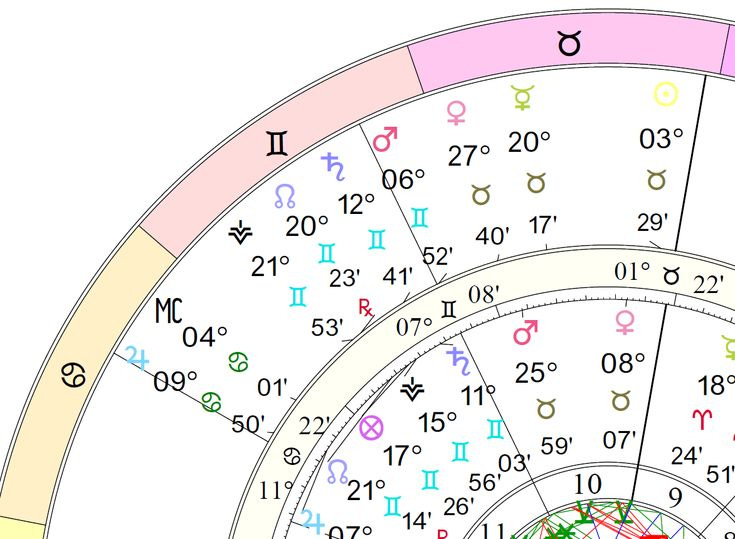
Astrological transits are the current positions of the planets in the sky and how they interact with your natal chart. These are often referred to as astrology forecasts, because the transiting objects represent the metaphorical “weather conditions” that accompany them.
Transits can be quite impactful and are a reflection of what’s going on around us, both energetically and in the literal, physical sense. It’s important to understand the difference between inner planets and outer planets in astrology, because the way their transits manifest can be different.
Inner planets are often referred to as personal planets, and include the Sun, Moon, Mercury, Venus, and Mars. These planets shape our identity, tendencies, interests, habits, and thinking, and tend to affect us on a more individual level. Planetary transits involving inner planets last for a shorter amount of time compared to outer planet transits.
Outer planets are known as transpersonal planets, and include Jupiter, Saturn, Uranus, Neptune, and Pluto, and represent more collective themes (especially involving psychology, perception, and generational traits and tendencies) and long-term shifts (both in our personal life and on a wider scale), being that transits involving these planets can last quite a long time.

How transits can impact our experience
I want to make it clear that transits affect us no matter where we are in the world. A difficult transit will feel “less” bad in a more energetically aligned location, but will also feel worse in a difficult location. But the main takeaway is, the themes, topics, and experiences associated with a challenging transit will likely come up, whether you’re in your dream location or somewhere less appealing.
An example of how this can manifest: Let’s say you’re living on a Jupiter line, and you’ve got relocated chart placements that indicate financial abundance and wealth. You take a look at your current transits, and Saturn is transiting your 2nd house of money, wealth, resources, and values. That Saturn transit can actually make those desired themes of wealth and abundance feel toned down or diminished completely.
What to expect during different transits
It’s key to look at the planets, luminaries, and celestial bodies, the birth chart houses that they’re transiting, and the aspects they’re making to your birth chart placements.
Some examples of planetary transits:
Sun: Shows where you might feel more motivated and gain more recognition, as well as themes you’re identifying with more.
Moon: Reveals where your emotional needs and desires are being expressed, as well as mood changes, and emotional shifts.
Venus: Venus tends to bring greater ease and harmony to the area(s) of life represented in the birth chart house she is transiting. It’s also symbolic of the area of life where you feel more connected. Creativity can also feel heightened during certain Venus transits.
Saturn: Saturn transits can feel very charged because they bring up a variety of different themes, and most of them are quite challenging. First of all, Saturn restricts- it seeks to eliminate structures, arrangements, relationships, and setups that are no longer aligned. Saturn is also a teacher, showing us where we need to adopt more patience, discipline, and structure.
Some examples of house transits:
1st House: Planets, luminaries, or celestial bodies transiting this house tend to affect your physical body, appearance, health, and energy levels. They can also have an impact on your identity.
2nd House: Expect your finances, possessions, or work to be affected in some way during 2nd House transits. Your values and priorities could also shift significantly during these transits.
7th House: These have a strong impact on your 1-1 committed partnerships. Depending on which planet is transiting, it could look like forming a new relationship, ending a current one, marriage, divorce, collaboration opportunities, etc.
11th House: Communities, groups, and social circles can undergo changes during some 11th House transits. Some 11th House transits, such as Saturn or Uranus, can also prompt us to revisit our goals and future plans.
Overall takeaways
It’s probably a (very) good idea to look into your current and upcoming astrological transits before relocating or making any major life decision (in addition to getting an Astrocartography reading!) Looking at transits shouldn’t scare you or influence you to cancel your plans; rather, they give you an idea of what to expect and ways to prepare in advance.
You can see your transits here.
If you enjoyed this article and found it interesting, consider leaving a comment 💬 and sharing it with people you know. I’m also happy to answer any questions. If you’d like to work together, send me an email at isabelgwriter@gmail.com or check out my website. If you’d like to book an Astrocartography session with me, you can do so here.
💛 💛-Isabel